Viral Mini Projectors: How to Pick One for Movie Nights That Isn't a Toy
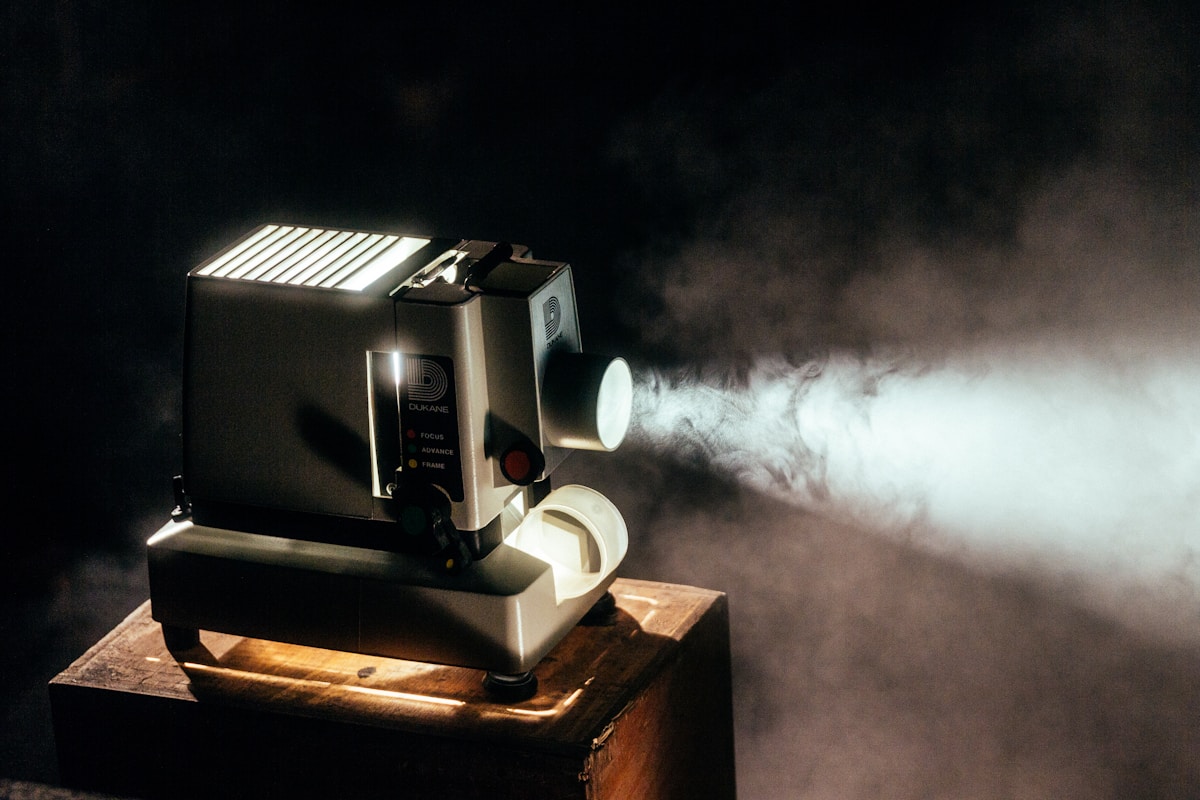
- Primary Signal: Viral Mini Projectors: How to Pick One for Movie Nights That Isn't a Toy
- Overview: Mini projectors promise a cinema on any wall, but many viral models disappoint in real rooms. Learn the specs that matter, brightness in ANSI lumens, native resolution, sound, and ...
- Verification: Analyzed and compiled by Caylin Shop editorial monitoring desk.
Mini projectors have gone viral as the gadget that turns any wall into a cinema, and the appeal is obvious: movie nights in the garden, big-screen gaming in a bedroom, presentations without a television. The problem is that the market is flooded with projectors that look impressive in a dark video and disappoint in a real room. The difference between a mini projector you love and one you regret is rarely the price. It is a handful of specifications that viral videos never mention.
Brightness, measured in lumens, determines whether you can actually see the picture. Cheap viral projectors often advertise thousands of lumens, but those figures are usually inflated marketing lumens, not the standardised ANSI lumens used by reputable brands. A projector with a genuine 200 to 300 ANSI lumens works well in a dark room but struggles with any ambient light. For a living room with lamps on, or a garden at dusk, you need 500 ANSI lumens or more, and the price rises accordingly.
The practical test is simple: if a projector's listing does not state ANSI lumens, treat its brightness claim with scepticism. Read reviews that describe performance in a normally lit room, not a pitch-black one, because your room will rarely be pitch black. A projector that only works in total darkness is a novelty, not a cinema.
Resolution is the second key specification. Many budget projectors accept a 1080p signal but display it at 720p or lower native resolution, producing a soft image that looks fine in a thumbnail and blurry at full size. Look for native 1080p resolution if you want a genuinely sharp picture, and be suspicious of listings that emphasise supported resolution over native resolution. For casual use, native 720p is acceptable on a small screen, but not on a large wall.
Built-in speakers on mini projectors are almost always weak, thin, and quiet. Plan to connect an external speaker via Bluetooth or a cable, and check that the projector supports the connection you intend to use. Also check connectivity: HDMI for laptops and consoles, USB for media playback, and Wi-Fi or casting support for phones. A projector that cannot connect to your devices easily will sit unused regardless of its picture quality.
Mini projectors trade performance for size. The smallest models fit in a pocket and run on batteries, which is wonderful for camping or travel, but they sacrifice brightness and resolution. Larger portable models, roughly the size of a book, offer much better pictures while remaining easy to move between rooms. Decide which you actually need: a pocket projector for occasional outdoor use, or a portable home projector for regular movie nights. Buying the pocket model for regular home use, or the larger model for backpacking, guarantees disappointment.
Battery life is another trade-off. Battery projectors typically run one to two hours on a charge, which may not cover a full film. Check the battery rating at the brightness you will actually use, not the eco mode rating, and consider whether you will usually have mains power available. If you will, a mains-powered model offers better performance for the same price.
Start with your room and your use. For a dark bedroom and occasional films, a reputable native 720p or 1080p model with 300 or more ANSI lumens and an external speaker will delight you. For a brighter living room or garden, budget for 500 or more ANSI lumens and accept a larger, mains-powered model. Avoid projectors with no ANSI rating, no named brand, and reviews that mention only unboxing, not weeks of use.
A good mini projector earns its place by making movie nights easy: set it down, connect a speaker, and watch. A bad one earns its place in a cupboard. The difference is not luck. It is brightness, resolution, sound, and connectivity, checked before you buy rather than discovered after.
📖 Continue Reading the Full Story
Continue reading this article on Caylin Shop.
⚡ Access Full Content NowMore from Caylin Shop



 💎 LuxeLiving 768
Crypto APY Calculator Australia: 2026 Staking Rewards Guide
Australian crypto investors: estimate your staking rewards with a crypto APY calculator. Compare APY vs APR, c...
 ✈️ SkyFree Club
Strategic Blueprint: Palworld Breeding Calculator — Parents, Combos & Paths (Day 6 Guide)
Unlocking high-yield efficiency through Palworld Breeding Calculator — Parents, Combos & Paths on SkyFree Club...
 ⚡ SkyFree Athletics
Performance Benchmark: Palworld Breeding Calculator — Parents, Combos & Paths (Day 7 Guide)
Understanding real-world data from the Palworld Breeding Calculator — Parents, Combos & Paths on SkyFree Athle...
 🖋️ SkyFree Chronicles
Decision-Making Framework: Palworld Breeding Calculator — Parents, Combos & Paths (Day 28 Guide)
How data from our Palworld Breeding Calculator — Parents, Combos & Paths on SkyFree Chronicles. Discover essen...